
Muhammad Ali's brother, Rahaman, passes away
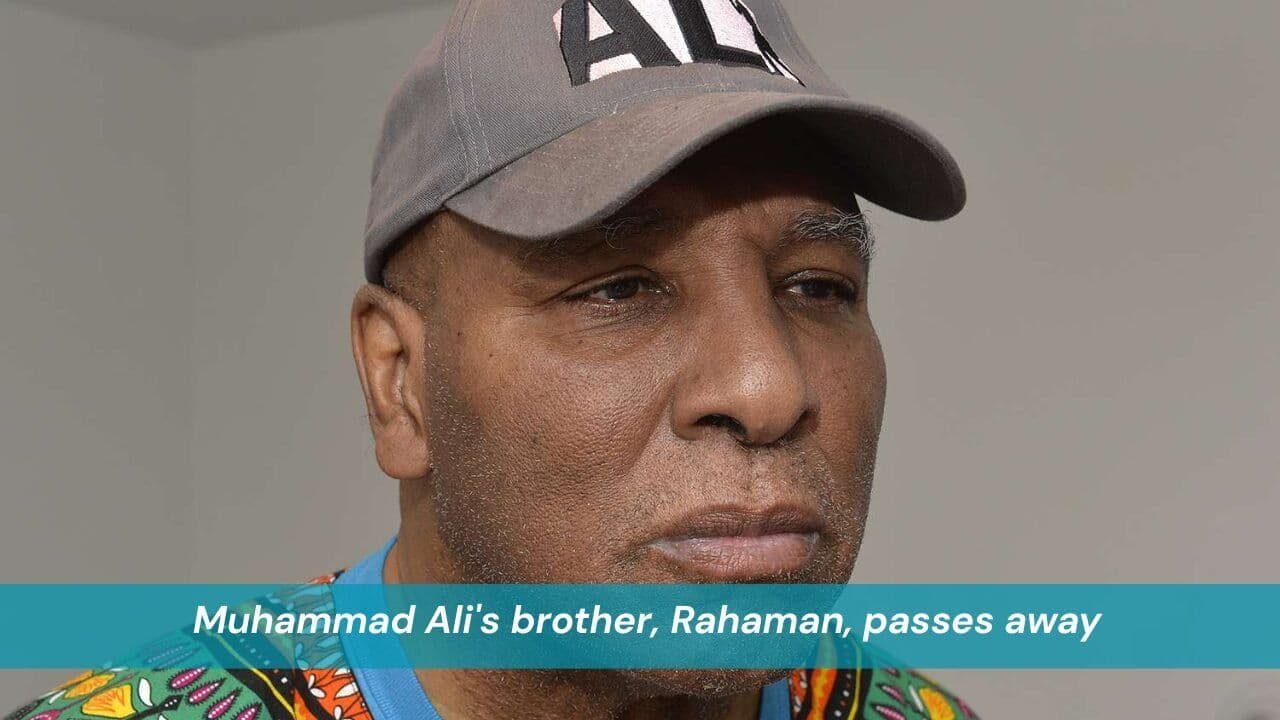
Muhammad Ali brother Rahaman has passed away at the age of 79, leaving behind a life defined by loyalty, humility, and quiet strength.
Muhammad Ali brother Rahaman has passed away at the age of 79, leaving behind a life defined by loyalty, humility, and quiet strength. While Rahaman had a brief professional boxing career, he is best remembered as Muhammad Ali’s steadfast confidant, sparring partner, and emotional anchor throughout his brother’s historic journey. Beyond the ring, muhammad ali brother rahaman ali dies dedicated himself to mentorship, community outreach, and preserving the Ali family legacy. His death marks the end of an era, celebrating a life lived in devotion to family, faith, and the enduring impact of standing beside one of boxing’s greatest legends.
Key takeaways
-
Rahaman Ali was a steadfast supporter of Muhammad Ali, serving as his confidant, sparring partner, and emotional anchor throughout his legendary career.
-
He maintained his own professional boxing record of 14 wins, 3 losses, and 1 draw, reflecting discipline and dedication to the sport.
-
Rahaman made a lasting impact on the community by mentoring youth through boxing programs focused on respect, perseverance, and personal growth.
-
His memoir, That’s Muhammad Ali’s Brother!, offers unique insights into the Ali family’s faith, values, and resilience.
-
Rahaman Ali exemplified humility, loyalty, and integrity, leaving a lasting legacy within the Ali family and the Louisville community.
Early Life and Name Change
Born Rudolph Valentino Clay in 1944, Rahaman changed his name in line with his older brother’s conversion to Islam, becoming Rahaman Ali as Muhammad became one of the most recognizable figures in sports history. While Muhammad Ali dominated headlines as the world heavyweight champion, Rahaman played a quieter but no less vital role in the background. He was his brother’s confidant, sparring partner, and steadfast supporter through triumphs and tribulations. Rahaman’s devotion to family values and his unwavering commitment to supporting his brother in and out of the ring were pivotal to Muhammad Ali’s resilience through times of adversity.
Boxing Career and Support Role
Although he briefly stepped into the ring himself, Rahaman’s boxing career was modest by comparison. He fought professionally between 1965 and 1972, ending with a record of 14 wins, three losses, and one draw, according to BoxRec. Despite lacking the showmanship and poetic bravado of his elder brother, Rahaman carried himself with discipline and integrity, earning respect among peers and boxing insiders. Friends, family, and historians credit Rahaman with helping to ground Muhammad Ali, particularly during turbulent moments such as the champion’s draft resistance and subsequent exile from boxing in the late 1960s. During these times, Rahaman served as a pillar of strength within the family, offering both emotional and spiritual support.
Comparison Table
| Attribute | Rahaman Ali | Muhammad Ali | Notes |
|---|---|---|---|
| Birth Year | 1944 | 1942 | Rahaman was the younger brother |
| Professional Boxing Career | 1965–1972 | 1960–1981 | Rahaman’s career was shorter |
| Record | 14 wins, 3 losses, 1 draw | 56 wins, 5 losses | Shows difference in career scale |
| Role in Family | Confidant, sparring partner | Champion, global figure | Rahaman supported Muhammad’s career |
| Legacy Focus | Youth mentorship, memoir | Civil Rights, boxing greatness | Different but complementary legacies |
| Notable Contributions | Behind-the-scenes support, advocacy | Activism, global icon | Both shaped boxing and society |
Memoir and Public Insight
Rahaman was more than just a figure in Muhammad Ali’s orbit. He became a voice of insight into the champion’s private life and upbringing. In his co-authored memoir, That’s Muhammad Ali’s Brother! My Life on the Undercard, Rahaman shared intimate, first-hand experiences that brought greater context to Muhammad’s public persona. The book, available through reputable outlets like Amazon and Barnes & Noble, has been recognized by boxing historians and scholars for its candid portrayal of life alongside one of history’s most iconic athletes. In various chapters, he offered reflections on the Ali family’s challenges, including their experiences with racial discrimination, the pressures of fame, and the role of faith in shaping their worldview.
Youth Advocacy and Mentorship
Rahaman Ali was also an advocate for youth engagement and mentorship. In the years following Muhammad’s retirement from boxing, Rahaman often visited schools, boxing gyms, and community centers to speak with young people about discipline, respect, and the importance of education. He believed strongly in empowering the next generation, particularly young African American men, by sharing life lessons from his own experiences. As a community mentor, he was instrumental in establishing programs that used boxing as a means of fostering character development.
Real-World Example
In 2018, Rahaman Ali visited Louisville’s West End Boxing Club to mentor over 50 young athletes. He conducted a week-long workshop focusing on discipline, footwork, and mental resilience, sharing personal stories from his time sparring with Muhammad Ali. Students practiced combinations while listening to Rahaman emphasize the importance of patience, integrity, and perseverance both in and out of the ring. One teen remarked, “He didn’t just teach us boxing; he taught us life.” This visit is just one example of Rahaman’s ongoing commitment to youth mentorship, demonstrating how his influence extended far beyond professional sports into community development.
Faith, Family, and Legacy
While never seeking fame himself, his loyalty and character left a lasting impression on those who knew him. During a 2016 interview with The Courier-Journal, Rahaman emphasized the importance of faith, family, and perseverancevalues that both brothers were raised on in segregated Louisville. He often remarked that being Muhammad’s brother was an honor, but it also came with the responsibility of upholding their family’s legacy.
Guardian of the Ali Legacy
Muhammad’s life and career, noting how one could not fully understand the Ali story without acknowledging Rahaman’s role. “He was more than a brother,” said a family spokesperson. “He was a compass, a protector, and a link to the values that shaped both men.” Those closest to the family have noted that Rahaman was a historian in his own right, curating personal archives and photo collections that documented the Ali family’s private journey through public life. His contributions to biographical documentaries, including I Am Ali and Muhammad Ali: When We Were Kings, provided valuable context that enriched the storytelling. Interviews with Rahaman appeared in several academic and sports history projects that aimed to examine the Ali legacy from multiple dimensions—including social justice, religious identity, and family dynamics.
Renewed Interest in the Ali Family Legacy
Rahaman’s passing has also reignited interest in the Ali family’s legacy and the broader social impact they had on American history. From their activism during the Civil Rights era to their defiance in the face of institutional injustice, the Clay brothers represented more than just athletic prowess. Their story is woven into the tapestry of American resilience, faith, and transformation. The Muhammad Ali Center, based in Louisville, has long preserved this legacy, with exhibits and educational programs that highlight the roles of both brothers. Visitors to the center often remark on how moving Rahaman’s contributions are, particularly in telling the lesser-known chapters of their shared journey.
Memorial Exhibit and Community Honors
The Muhammad Ali Center has confirmed it will host a special memorial exhibit dedicated to Rahaman, showcasing never-before-seen photographs, handwritten letters, and memorabilia that underscore his pivotal role in shaping Muhammad Ali’s path. This exhibit is expected to draw not only boxing fans but also historians, civil rights scholars, and the general public interested in the deeper human story behind a global icon. Educational panels and community discussions are also planned to honor Rahaman’s life and legacy.
Public Memorial and Final Reflections
As the community mourns, plans for a public memorial in Louisville are underway, expected to draw notable figures from sports, politics, and entertainment. Details will be announced soon, with many eager to pay respects to a man who, while not a global superstar, played an indispensable role in one. The city has also proposed renaming a local community center in Rahaman’s honor, recognizing his lifelong commitment to mentorship and outreach.
Remembering Rahaman Ali
In remembering Rahaman Ali, the public is reminded that greatness is rarely achieved alone. Often, it is built upon the unseen support of those willing to stand beside rather than in front. Rahaman Ali was one such man, quiet but unwavering, humble yet profound in his influence. His death leaves a void, but his legacy remains deeply intertwined with one of the most powerful stories in American sport. His story is not only about being Muhammad Ali’s brother; it’s about the strength found in steadfastness, the grace of humility, and the value of staying true to one’s principles in the shadows of greatness.
FAQs
Who was Rahaman Ali?
He was the younger brother of Muhammad Ali and a professional boxer himself.
Did Rahaman Ali have a boxing career?
Yes, he had a short career with a 14-3-1 record between 1965 and 1972.
What was Rahaman’s role in Muhammad Ali’s life?
He was a close confidant, sparring partner, and emotional anchor throughout Muhammad’s career.
Is there a book about Rahaman Ali’s life?
Yes, he co-authored a memoir titled That’s Muhammad Ali’s Brother! My Life on the Undercard, sharing firsthand insights about the Ali family and legacy.
How is Rahaman Ali being honored after his passing?
A special exhibit at The Muhammad Ali Center is planned, and a public memorial in Louisville will pay tribute to his life and contributions.
What values did Rahaman Ali stand for?
Faith, humility, perseverance, and loyalty were central to his character and life philosophy.
Did Rahaman Ali influence Muhammad Ali’s activism?
Yes, he provided emotional and spiritual support during critical moments, including Muhammad’s draft resistance and stance against the Vietnam War.
Where can I learn more about Rahaman Ali’s life?
His book and public archives, along with the upcoming memorial exhibit at The Muhammad Ali Center, offer extensive insights.
Conclusion
Related News
 News
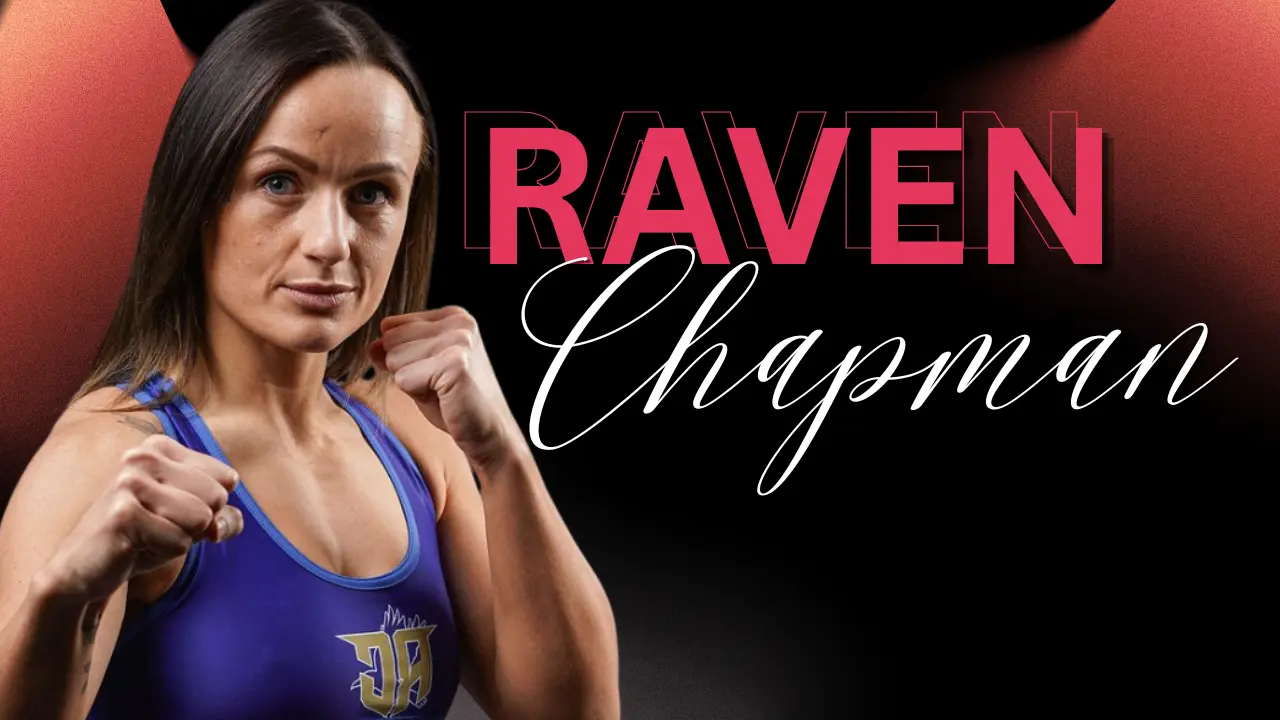
NewsRaven Chapman Biography, Record & Latest Health Update
Raven Chapman is a British professional featherweight boxer who has gained recognition for her technical skills, disciplined approach, and steady rise in women's boxing. In recent weeks, she has also drawn international attention following reports of a medical emergency after a sparring session in Denmark, prompting fans to seek reliable updates about her condition and career.
 News
NewsBoxing Stream Today Live Fight Schedule & Streams
Whether you're watching a world title fight, an exciting heavyweight match or a fighter who is becoming well known finding a boxing stream today should not be hard. With broadcasting rights shared among platforms and schedules changing often many fans have trouble knowing exactly where and when to watch live boxing.
 News
NewsWhere Can I Watch Boxing Fight Tonight for Free? Guide
If you're wondering where I can watch a boxing fight tonight for free, you're not alone. Every major boxing event attracts thousands of fans searching for a free and reliable way to watch live fights online. However, not every website offering "free boxing streams" is safe or legal.