
What to Look for in Mouthguard Choosing the Right Protection
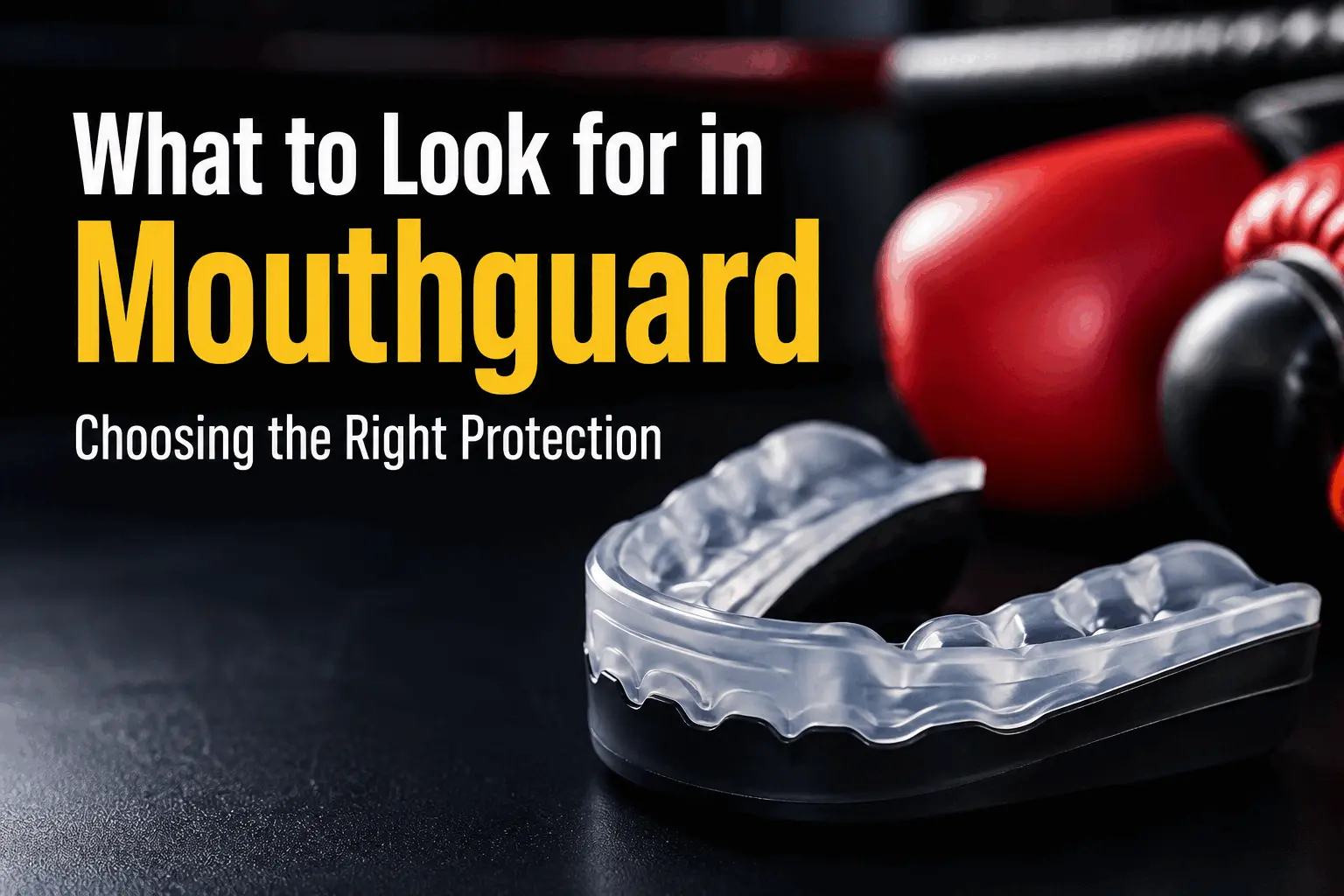
Most players have often made the mistake of buying the cheapest type of mouth guard without knowing what to look out for in mouth guard prior to their purchases. However, poor fitting of a mouth guard can actually lower protection levels, interfere with breathing, hinder communication and distract you while competing.
The below guide will provide you with all you need to know on mouth guards before making a purchasing decision.
Key Takeaways
- Choose a mouthguard that offers a secure, comfortable, and custom-like fit.
- The right material should provide excellent shock absorption without restricting breathing.
- Different sports require different levels of protection.
- Custom-fitted mouthguards offer the highest level of comfort and safety.
- Replace your mouthguard regularly if it becomes worn, damaged, or no longer fits properly.
- Proper cleaning and storage significantly extend your mouthguard's lifespan.
- Always buy products that meet recognized safety standards whenever possible.
Why Wearing a Mouthguard Matters
Sports-related dental injuries account for thousands of emergency visits every year. According to dental professionals, wearing a properly fitted mouthguard can significantly reduce the risk of:
- Broken or chipped teeth
- Knocked-out teeth
- Lip injuries
- Tongue injuries
- Gum damage
- Jaw fractures
- Soft tissue cuts
- Dental restoration damage
A quality mouthguard acts as a shock absorber by distributing impact forces across the mouth rather than allowing them to concentrate on individual teeth.
What to Look for in Mouthguard Before Buying
Choosing the right mouthguard involves much more than selecting the first product on the shelf.
Proper Fit Is the Most Important Factor
The first thing to evaluate is fit.
A good mouthguard should:
- Stay securely in place without constant adjustment
- Fit snugly around your teeth
- Feel comfortable without excessive pressure
- Not fall out while talking
- Allow natural jaw movement
If your mouthguard shifts during activity, it won't provide maximum protection.
Comfortable Breathing
One of the biggest complaints athletes have is difficulty breathing while wearing bulky mouthguards.
Look for a design that:
- Allows unrestricted airflow
- Doesn't block your airway
- Lets you breathe naturally during intense exercise
- Supports endurance during long training sessions
Modern sports mouthguards often include breathing channels designed specifically for high-performance athletes.
Easy Communication
Athletes constantly communicate with teammates and coaches.
A quality mouthguard should allow you to:
- Speak clearly
- Call plays
- Communicate during practice
- Respond quickly during competition
Thinner performance mouthguards generally improve speech while maintaining protection.
Shock Absorption Technology
The primary purpose of any mouthguard is absorbing impact.
High-quality products use advanced materials that:
- Spread impact forces
- Reduce pressure on individual teeth
- Protect jaw joints
- Minimize soft tissue injuries
The better the shock absorption, the greater the overall protection.
Types of Mouthguards
Understanding different mouthguard types helps you choose the right option for your sport.
Stock Mouthguards
These are pre-made and ready to wear.
Advantages
- Affordable
- Available immediately
- No molding required
Disadvantages
- Poor fit
- Limited comfort
- Reduced protection
- Difficult to speak with
Best suited for occasional recreational use.
Boil-and-Bite Mouthguards
These soften in hot water before molding around your teeth.
Advantages
- Better fit
- Affordable
- Easy to customize
- Widely available
Disadvantages
- Can lose shape over time
- Depends on proper molding
These remain one of the most popular options for amateur athletes.
Custom-Fitted Mouthguards
Custom mouthguards are created using dental impressions.
Advantages
- Maximum protection
- Perfect fit
- Excellent comfort
- Better breathing
- Improved speech
Disadvantages
- Higher cost
- Requires dental appointment
Professional athletes often choose custom-fitted mouthguards because they provide the highest level of protection.
Best Mouthguard Materials
Material quality directly affects durability and protection.
Common materials include:
EVA (Ethylene Vinyl Acetate)
The most widely used material because it offers:
- Excellent flexibility
- Superior shock absorption
- Lightweight comfort
- Long-lasting durability
Multi-Layer Construction
Premium mouthguards often feature multiple protective layers that increase impact resistance while maintaining comfort.
Thickness Finding the Right Balance
Many people assume thicker always means safer.
In reality, the ideal thickness depends on your sport.
Light Contact Sports
Examples:
- Basketball
- Volleyball
- Baseball
Recommended thickness:
- 3 mm
Medium Contact Sports
Examples:
- Soccer
- Rugby
- Lacrosse
Recommended thickness:
- 4 mm
Heavy Contact Sports
Examples:
- Boxing
- MMA
- Hockey
- American Football
Recommended thickness:
- 5 mm or more
Higher-impact sports require additional cushioning for maximum protection.
Sports-Specific Features
Different sports demand different mouthguard designs.
Boxing Mouthguards
Look for:
- Maximum shock absorption
- Slim breathing channels
- Strong jaw protection
- Secure retention
Football Mouthguards
Important features include:
- Durable construction
- Helmet compatibility
- Comfortable fit
- Impact resistance
MMA Mouthguards
Ideal options should provide:
- Multi-layer protection
- Strong bite support
- Easy breathing
- Minimal movement
Safety Certifications
When purchasing a mouthguard, verify whether it meets recognized safety standards.
Quality manufacturers often test products for:
- Impact resistance
- Material safety
- Durability
- Performance consistency
Buying certified products provides greater confidence in their protective capabilities.
Signs Your Mouthguard Doesn't Fit Properly
Replace or refit your mouthguard if:
- It falls out easily.
- You constantly bite down to keep it in place.
- It causes pain.
- Breathing feels difficult.
- It interferes with speaking.
- It shifts during activity.
A poorly fitted mouthguard provides significantly less protection.
How to Clean Your Mouthguard
Proper maintenance improves hygiene and extends product life.
Daily Cleaning
After every use:
- Rinse with cool water.
- Brush gently using a soft toothbrush.
- Use mild soap if necessary.
- Avoid boiling water after molding.
Weekly Cleaning
Use:
- Non-alcoholic cleaning tablets
- Mouthguard cleaning solution
- Gentle antibacterial cleanser
Never use bleach or harsh chemicals.
Proper Storage Tips
Store your mouthguard in a ventilated protective case.
Avoid:
- Direct sunlight
- Hot vehicles
- Closed gym bags
- Excessive heat
Heat may warp the material and ruin the fit.
When Should You Replace a Mouthguard?
Replace your mouthguard if you notice:
- Tears
- Cracks
- Thin spots
- Loose fit
- Permanent odor
- Distortion
Athletes who train frequently should inspect their mouthguards regularly for wear.
Common Mistakes to Avoid
Many athletes unknowingly reduce their protection by making simple mistakes.
Avoid:
- Buying solely based on price
- Ignoring fit
- Wearing damaged mouthguards
- Sharing mouthguards
- Skipping regular cleaning
- Using one mouthguard for several years
- Choosing the wrong size
Expert Tips for Choosing the Best Mouthguard
Before purchasing, ask yourself:
- Does it fit securely?
- Can I breathe comfortably?
- Can I communicate clearly?
- Is it appropriate for my sport?
- Is the material durable?
- Does it provide adequate shock absorption?
- Is it easy to clean?
- Will it last through regular training?
Answering these questions helps narrow your choices significantly.
Real-World Example
Imagine two amateur boxers preparing for sparring.
The first wears a loose stock mouthguard that constantly shifts. During a heavy punch, the guard slips, resulting in a chipped tooth and a cut lip.
The second boxer uses a properly fitted boil-and-bite mouthguard with excellent retention. Despite receiving similar impacts, the mouthguard stays in place and effectively absorbs the force, helping prevent dental injury.
This simple comparison demonstrates how proper fit and quality can make a significant difference in athlete safety.
Frequently Asked Questions
What type of mouthguard offers the best protection?
Custom-fitted mouthguards generally provide the highest level of protection because they are made specifically for your teeth, offering superior fit, comfort, and impact absorption.
Can I wear a mouthguard with braces?
Yes. Orthodontic mouthguards are specially designed to protect both braces and teeth during sports. Consult your orthodontist for the best option.
How often should I replace my mouthguard?
Replace it whenever it becomes worn, damaged, loses its shape, or no longer fits properly. Competitive athletes may need replacements more frequently.
Is a thicker mouthguard always better?
Not necessarily. While thicker mouthguards offer greater protection for high-impact sports, they may reduce comfort and communication. Choose the thickness appropriate for your activity.
Can I clean my mouthguard with toothpaste?
A soft toothbrush and mild soap are generally recommended. Some abrasive toothpastes may scratch the surface, so always follow the manufacturer's cleaning instructions.
Conclusion
Choosing the right mouthguard goes far beyond picking the first option available. Understanding what to look for in mouthguard allows you to prioritize fit, comfort, shock absorption, material quality, durability, and sport-specific protection.
Whether you're a beginner or an experienced athlete, investing in a high-quality mouthguard is a small decision that can prevent expensive dental injuries and improve confidence during competition. By selecting the right design, maintaining it properly, and replacing it when necessary, you'll enjoy better protection every time you step onto the field, into the gym, or inside the ring.
Take the time to compare your options carefully, choose a mouthguard designed for your sport, and make oral protection an essential part of your athletic gear. Visit Boxing Essential to explore more.
Frequently Asked Questions
Q:What type of mouthguard offers the best protection?
Custom-fitted mouthguards generally provide the highest level of protection because they are made specifically for your teeth, offering superior fit, comfort, and impact absorption.
Q:Can I wear a mouthguard with braces?
Yes. Orthodontic mouthguards are specially designed to protect both braces and teeth during sports. Consult your orthodontist for the best option.
Q:How often should I replace my mouthguard?
Replace it whenever it becomes worn, damaged, loses its shape, or no longer fits properly. Competitive athletes may need replacements more frequently.
Q:Is a thicker mouthguard always better?
Not necessarily. While thicker mouthguards offer greater protection for high-impact sports, they may reduce comfort and communication. Choose the thickness appropriate for your activity.
Q:Can I clean my mouthguard with toothpaste?
A soft toothbrush and mild soap are generally recommended. Some abrasive toothpastes may scratch the surface, so always follow the manufacturer's cleaning instructions.
Related Articles
 Boxing Training
Southpaw Stance Mistakes to Avoid 11 Common Errors
Most southpaws hear the same thing on day one: being left-handed is an advantage, opponents hate fighting you, enjoy the free lunch. Then they spend two years eating right hands and wondering where the free lunch went. The southpaw stance mistakes to avoid are rarely dramatic.
 Boxing Training
Boxing Defense Mistakes to Avoid Complete Guide
Good boxing defense is not simply about keeping your hands high or moving your head. Effective defense combines stance, balance, footwork, distance management, timing, anticipation, positioning, guard recovery, and intelligent movement.
 Boxing Training
Slipping Punches Tips for Better Boxing Defense
The fastest way to improve your defense is not to move your head as much as possible. It is to move it at the right time, by the right amount, while staying balanced enough to counter.